Connect with us

ΓΕΩΠΟΛΙΤΙΚΗ

Iran: regime change is a slogan, not a plan

Avatar photo

Published

on

Author: Euripides L. Evriviades

The day after Iran: power, strategy and the unanswered question

Once again, the debate over Iran is framed as a stark choice between strength and weakness, action and inaction. Between good and evil. This is a false binary. The real question is not whether the US can use military force against Iran, but what problem such force is meant to solve, at what cost, and – more importantly – what unintended consequences may follow, regionally and globally.

Military power is a tool. It is not a strategy. When force becomes a substitute for political clarity of purpose, it creates the illusion of decisiveness while storing up strategic failure. The first question, therefore, must be simple and explicit: what is the objective? Ending Iran’s nuclear ambitions? Restoring credible deterrence? Constraining ballistic missiles? Changing regional behavior? Ending support for non-state actors? Regime change? Or all of the above? History is unambiguous. Wars launched without a clearly defined end state rarely end on favorable terms.

The current crisis is marked by intense signaling rather than open conflict. A substantial US military deployment is accompanied by public warnings and parallel references to a possible deal with Tehran. Against this backdrop, Iran has engaged in indirect talks while insisting that any engagement be conducted on what it calls equal terms – confined to a narrow nuclear agenda rather than the broader security concerns raised by Washington. At the same time, Tehran continues military exercises and warnings of retaliation and wider escalation. Recent incidents, including the US shooting down of an Iranian drone approaching a carrier group, underscore how tightly military signaling and escalation are now intertwined.

Coercive diplomacy

Washington is engaging in classic coercive diplomacy: pressure designed to compel concessions without crossing the threshold into war. It is not stable, but neither is it accidental. As Sun Tzu observed, “the supreme art of war is to subdue the enemy without fighting.” The danger, however, lies not in signaling itself, but in miscalculation, i.e., misreading intent, overestimating control of events, or underestimating escalation.

This posture is consistent with the US National Security Strategy (NSS) issued by President Trump in November 2025. Hard lessons have been drawn from Vietnam, Iraq and Afghanistan. The NSS moves away from regime change as a declared objective, prioritising national interest, stability and restraint over externally imposed political transformation.

Endless wars, large-scale occupations and open-ended nation-building are no longer viewed as viable instruments of US statecraft – as the recent US surgical military intervention in Venezuela has illustrated. Instead, emphasis has shifted toward sanctions, diplomatic isolation, hybrid tools and economic pressure – all backed by credible military deterrence. Force is not removed from the table, but it is no longer presumed to be the default answer. Any intervention must demonstrate a clear strategic objective, proportional means and a credible political end state.

All politics are local

Foreign policy does not operate in a vacuum. As the late US Speaker Tip O’Neill famously observed, all politics is local. This truism remains valid even in moments of international crisis. With midterm elections approaching, domestic considerations shape decision-making in Washington. Voters are weary of distant wars with unclear purpose. Markets react sharply to instability. Energy prices, investor confidence, and economic sentiment matter. Strength plays well in domestic politics. Open-ended wars do not. This helps explain the tension between rhetoric and restraint that characterises the present moment.

The regional paradox

As I have argued elsewhere the confrontation involving Iran, Israel and the US is not episodic but systemic. It is part of a deeper strategic recomposition of the Middle East – including the Gulf – in which old diplomatic frameworks are eroding and deterrence increasingly substitutes for diplomacy.

Regional actors face a dilemma rarely acknowledged in public debate. Many want Iran contained, deterred and constrained. Some advocate outright regime change. But few want Iran shattered. Saudi Arabia’s recalibration reflects this tension. Public calls for restraint coexist with private warnings that inaction could embolden Tehran. Israel’s posture is similarly layered. Its core objectives remain unchanged, but current restraint reflects tactical judgement rather than strategic retreat. Timing and risk matter.

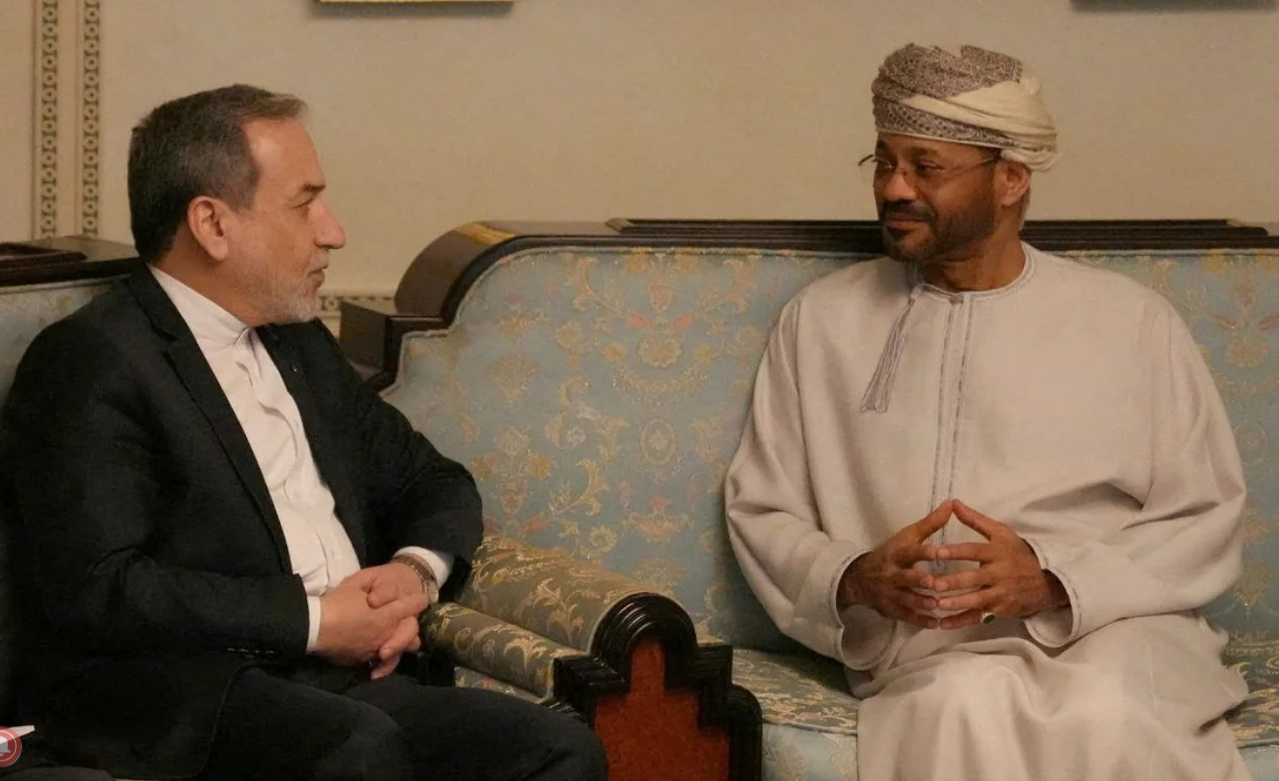
At the same time, regional diplomacy is also in motion. Oman hosted a first round of indirect US-Iran talks on February 6 – a shift from Istanbul that Tehran insisted upon, following earlier facilitation efforts by Turkey, Qatar, Egypt, Saudi Arabia and others. Washington and Tehran signaled a willingness to continue engagement.

The fact that indirect talks have taken place does not mean that Washington has accepted a nuclear-only frame. On the contrary, the core divergence over ballistic missiles, regional behavior and support for non-state actors remains unresolved – a point the US underlined by announcing fresh oil and petrochemical sanctions within hours of the talks’ conclusion. What this underscores is that even at moments of acute tension, diplomatic channels remain active. Deterrence and dialogue now operate in parallel, often uneasily.

The paradox is simple. A triumphant Iran is dangerous. A chaotic Iran may be worse. Fragmentation, proxy escalation and uncontrollable retaliation would place the region on permanent edge. Stability and predictability – not victory – remain the unspoken regional demand.

The EU’s quiet alarm

The EU watches the crisis with particular unease – and Cyprus feels it immediately. Any major conflict involving Iran would produce direct consequences: energy, trade and financial disruptions, migration flows and renewed instability across the Mediterranean and the Levant, affecting economic stability, security planning and regional credibility in real time. At a time when the EU is already stretched by the war in Ukraine, the demands of defense rearmament, and an increasingly unpredictable US decision-making environment, a Middle East war would not be a distant theatre. It would be felt quickly and directly.

This explains Europe’s emphasis on de-escalation and diplomacy. It is not naïveté. It is vulnerability. It is strategic prudence.

Russia, China and nuclear proliferation

The growing coordination between Iran, Russia and China adds another layer of complexity. Joint military exercises scheduled among Iran, Russia and China, together with political signaling, do not amount to a formal alliance. Moscow and Beijing are unlikely to fight for Tehran, but they benefit from Western distraction and strategic overload.

Escalation hardens blocs, narrows diplomatic space, and accelerates the fragmentation of an already strained international order. A wider conflict would therefore serve interests well beyond the region – and not those of stability. One likely global consequence, particularly if a US strike on Iran coincides with the protracted war in Ukraine, is the erosion – if not collapse – of the remaining institutional constraints on nuclear proliferation. The expiration on February 5, 2026 of the New START (Strategic Arms Reduction Treaty) between the US and Russia, leaving the two largest nuclear arsenals without binding limits, underscores how fragile those constraints have become.

The deterrence lesson drawn by many actors is stark. Iran was struck during the 12-day war last June precisely because it did not yet possess nuclear weapons; nuclear-armed states such as North Korea are not. For Iran, and for other astute observers, this reinforces a dangerous but rational conclusion: that nuclear capability, not compliance, is the ultimate guarantor against intervention. That lesson, once absorbed, does not remain confined to one case. It spreads – and with it, the logic of proliferation.

The unanswered question: the day after

The most conspicuously unanswered question is the day after an attack on Iran. What follows a strike? What replaces the current order if it collapses? Regime change is a slogan, not a plan. Nuclear knowledge cannot be bombed away. Proxy networks do not disappear with command centres. Fragmentation creates vacuums that history shows are quickly filled, rarely benignly.

The danger, therefore, is not simply escalation, but consequence without ownership. When the political end state is undefined, force risks becoming an act of demonstration rather than an instrument of strategy. In diplomacy, there is rarely a final full stop. Only pauses, recalibrations, and the continuing necessity to shape an agreement both sides can own – the only kind capable of outlasting escalation.
ΑΡΘΡΟΓΡΑΦΙΑ

TO GSI OR NOT TO GSI;

Avatar photo

Published

on


*του Στέλιου Γ. Προκοπίου
Διεθνολόγου – Υποψ. Διδάκτωρ Διεθνών Σχέσεων


Πολλές φορές στο παρελθόν έχουμε αναφέρει την αναγκαιότητα για την Κυπριακή Δημοκρατία να συμμετέχει σε συνεταιρισμούς και συμμαχίες με διάφορα περιφερειακά και μη κράτη, τα οποία διατηρούν φιλικές σχέσεις ή μοιράζονται κοινά στρατηγικά συμφέροντα με τη χώρα μας, με στόχο την ενίσχυση της γεωπολιτικής της θέσης, την προώθηση των εθνικών της συμφερόντων και κυρίως την θωράκιση της ασφάλειάς της, σε ένα ιδιαίτερα ρευστό και απαιτητικό διεθνές περιβάλλον.

Η ανάγκη αυτή, καθίσταται ακόμη πιο επιτακτική υπό τα νέα γεωπολιτικά δεδομένα, όπου η ισχύς των κρατών δεν καθορίζεται αποκλειστικά από το μέγεθος ή τον πληθυσμό τους, αλλά και από τη συμμετοχή τους σε δίκτυα συνεργασίας, κοινές υποδομές και στρατηγικές πρωτοβουλίες που δημιουργούν δεσμούς αμοιβαίου συμφέροντος και αυξάνουν την ανθεκτικότητά τους απέναντι στις διεθνείς προκλήσεις.

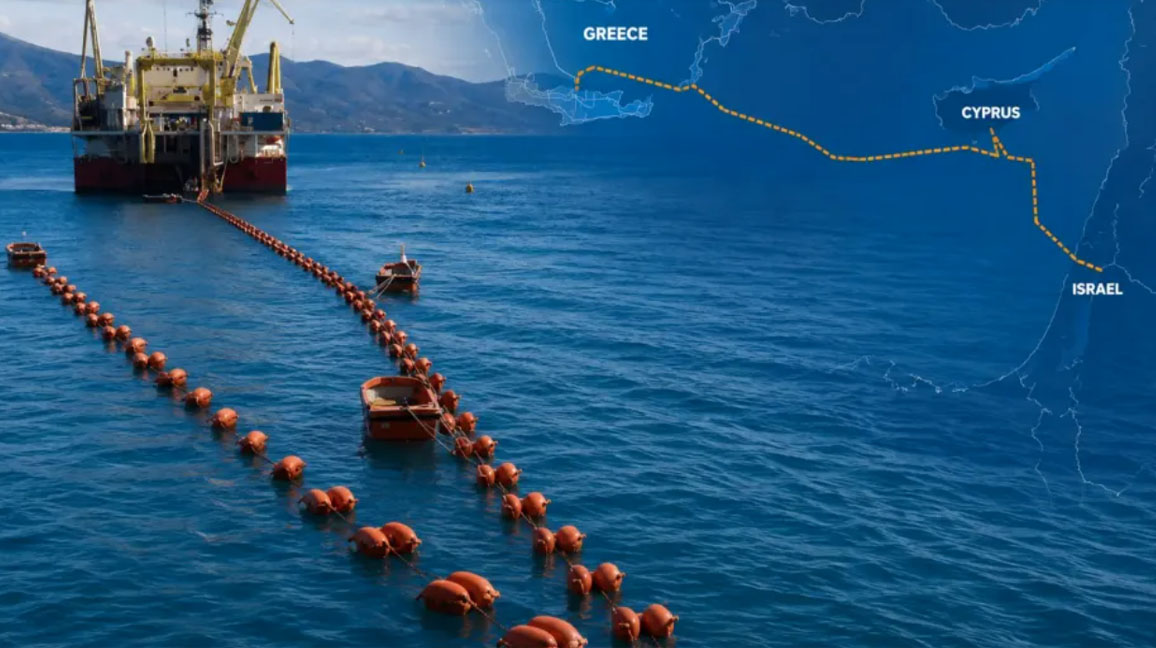
Μέσα σε αυτό ακριβώς το πλαίσιο, το έργο του Great Sea Interconnector (GSI) αποκτά ιδιαίτερη σημασία. Δεν πρόκειται απλώς για ένα έργο ενεργειακής υποδομής, αλλά για μια στρατηγική πρωτοβουλία που εντάσσει την Κύπρο σε ένα πλέγμα συνεργασίας μεταξύ Ευρωπαϊκής Ένωσης, Ελλάδας και Ισραήλ, αναβαθμίζοντας ουσιαστικά τον γεωπολιτικό της ρόλο στην Ανατολική Μεσόγειο και υπερβαίνει τα στενά όρια ενός ενεργειακού έργου, αποκτώντας έτσι  ευρύτερη πολιτική και γεωπολιτική αξία.

Παρότι η δημόσια συζήτηση επικεντρώνεται κατά κύριο λόγο στο οικονομικό κόστος του έργου και στις πιθανές επιπτώσεις που ενδέχεται να μετακυλισθούν στους λογαριασμούς ηλεκτρικού ρεύματος, η πραγματική του σημασία δεν περιορίζεται στην ενεργειακή του διάσταση. Πρόκειται αναμφίβολα για ζητήματα σημαντικά, τα οποία μπορούν να αξιολογηθούν με μεγαλύτερη εξειδίκευση από τους αρμόδιους τεχνοκράτες και ειδικούς. Ωστόσο, η οικονομική διάσταση του έργου δεν θα πρέπει να εξετάζεται αποκομμένη από τις ευρύτερες γεωπολιτικές του προεκτάσεις. Η αξιολόγηση του κόστους και των πιθανών επιβαρύνσεων είναι ασφαλώς απαραίτητη και πρέπει να γίνεται με σοβαρότητα και τεκμηρίωση, χωρίς όμως να επισκιάζει τις μακροπρόθεσμες στρατηγικές δυνατότητες του έργου.

Σε μια εποχή κατά την οποία η ενέργεια, η ασφάλεια και οι διεθνείς συμμαχίες αλληλοσυνδέονται όλο και περισσότερο, ο GSI μπορεί να εξελιχθεί σε ένα έργο με επιπτώσεις που θα ξεπερνούν κατά πολύ τον τομέα της ηλεκτροδότησης.

Η προοπτική αυτή συνδέεται άμεσα με το σημαντικότερο διαχρονικό πλεονέκτημα της Κύπρου, τη γεωγραφική της θέση. Η γεωγραφία όμως από μόνη της δεν αρκεί. Απαιτούνται υποδομές που να μετατρέπουν αυτό το φυσικό πλεονέκτημα σε πραγματική πολιτική και οικονομική αξία. Ο Great Sea Interconnector μπορεί να επιτελέσει ακριβώς αυτόν τον ρόλο, αναβαθμίζοντας τη θέση της χώρας ως γέφυρας μεταξύ Ευρωπαϊκής Ένωσης και Ανατολικής Μεσογείου και ενισχύοντας τη διαπραγματευτική της βαρύτητα.

Στη σύγχρονη γεωπολιτική πραγματικότητα, κράτη που συμμετέχουν σε κρίσιμες υποδομές μεταφοράς ενέργειας, αποκτούν επιρροή δυσανάλογη προς το μέγεθός τους, ακριβώς επειδή καθίστανται απαραίτητα για την εύρυθμη λειτουργία ευρύτερων περιφερειακών δικτύων.

Εξίσου σημαντική, είναι η διάσταση των διεθνών συνεργασιών που δημιουργούνται μέσα από τέτοιες υποδομές. Οι πολιτικές συμμαχίες μεταβάλλονται συχνά ανάλογα με τις διεθνείς εξελίξεις, όμως οι μεγάλες διακρατικές επενδύσεις δημιουργούν σχέσεις αμοιβαίου συμφέροντος. Όταν διαφορετικά κράτη επενδύουν σημαντικούς πόρους σε ένα κοινό έργο, αποκτούν παράλληλα ισχυρό κίνητρο να διαφυλάξουν τη σταθερότητα και την ασφάλειά του.

Για την Κυπριακή Δημοκρατία, η συμμετοχή σε ένα τέτοιο σχήμα συνεργασίας με την Ελλάδα και το Ισραήλ, σε συνδυασμό με την άμεση στήριξη της Ευρωπαϊκής Ένωσης προς το έργο, ενισχύει το διπλωματικό της αποτύπωμα και δημιουργεί προϋποθέσεις για περαιτέρω συνεργασίες στους τομείς της ενέργειας, της τεχνολογίας, των επενδύσεων, αλλά κυρίως στους τομείς ασφάλειας και άμυνας.

Φυσικά, κανένα έργο τέτοιας εμβέλειας δεν στερείται κινδύνων και προκλήσεων. Η Τουρκία αντιλαμβάνεται ότι η ολοκλήρωση ενός έργου που συνδέει άμεσα την Κύπρο με το ευρωπαϊκό ηλεκτρικό δίκτυο, μέσω της Ελλάδας, δεν ενισχύει μόνο την ενεργειακή ασφάλεια του νησιού, εξού και στο παρελθόν είχε προβεί σε απαράδεκτες προκλήσεις, με στόχο να αποτρέψει την συνέχιση του έργου.

Με άλλα λόγια, η αξία του έργου δεν περιορίζεται στα χιλιόμετρα του καλωδίου που θα τοποθετηθούν στον βυθό της Μεσογείου, αλλά επεκτείνεται στο πλέγμα συμφερόντων, συνεργασιών και αλληλεξαρτήσεων που δημιουργεί γύρω από την Κυπριακή Δημοκρατία και ακριβώς αυτή η διάσταση είναι που προσδίδει στο έργο ευρύτερη στρατηγική και γεωπολιτική σημασία.

Για τον λόγο αυτό, η συζήτηση για τον Great Sea Interconnector δεν μπορεί να εξαντλείται αποκλειστικά σε λογιστικούς υπολογισμούς ή σε βραχυπρόθεσμες οικονομικές ανησυχίες. Τα μεγάλα στρατηγικά έργα αξιολογούνται όχι μόνο με βάση το άμεσο οικονομικό τους κόστος, αλλά και από τη δυνατότητά τους να διαμορφώνουν τις στρατηγικές επιλογές και τις προοπτικές μιας χώρας για τις επόμενες δεκαετίες. Για τον λόγο αυτό, παρά τις δυσκολίες, τις αβεβαιότητες και τις προκλήσεις που αναμφίβολα υπάρχουν, το έργο πρέπει να αξιολογηθεί με όρους μακροπρόθεσμου εθνικού και στρατηγικού συμφέροντος το οποίο θα διαμορφώσει, σε σημαντικό βαθμό, τις δυνατότητες και τις επιλογές της χώρας για τις επόμενες γενιές.

Continue Reading

voulitv

Trump’s foreign policy: unconventional methods, traditional goals

Avatar photo

Published

on


*by Euripides L. Evriviades

Trump’s tactics may be disruptive and coercive, but the goal of preserving American economic, technological and strategic dominance is deeply rooted in US foreign policy

What if Donald Trump’s foreign policy is not as chaotic as it looks?

Last year, I argued that beneath the spectacle, contradictions and unpredictability, Trump’s foreign policy had an internal logic. But I stopped short of calling it strategy.

Today, I am more convinced that there is one – grand strategy in fact.

Consider the pieces.

Greenland. Panama. Canada. Venezuela. Iran and Hormuz. Tariffs. Critical minerals. Reindustrialisation. Pressure on allies to carry more of their defence burden. And, increasingly, China.

Viewed separately, these can look like disconnected episodes. Put them on the same map and a pattern begins to emerge.

No conspiracy is required. Nor a secret master plan. Nor is the direction entirely implicit. Elements of it are set out explicitly in the Trump administration’s 2025 National Security Strategy. The question is whether interests, opportunities and events are increasingly moving in the same strategic direction. They do.

Once seen, the pattern is difficult to unsee.

It did not begin with Trump

But this did not begin with Trump.

In 1948, George Kennan, one of the architects of America’s Cold War strategy, observed with unusual candour that the United States possessed about half the world’s wealth with only 6.3 per cent of its population. The task of America, he emphasised, was to devise relationships that would allow it to maintain this “position of disparity” without jeopardising its security.

The world has changed profoundly since then. So has American policy. The methods changed. The purpose changed much less: American preponderance remains the strategic constant. And preponderance has never been merely military. It is economic, technological, commercial and financial too.

This, after all, is what predominant powers do. Britain did it before America. Others did it before Britain. History also records what eventually happened to them.

America nevertheless did something remarkable after 1945. It embedded its enormous power in institutions and alliances from which others also benefited. The resulting Pax Americana has been described by scholars as both hegemony and hegemonic stability. Benign to many. Hegemony to others.

The Marshall Plan helped rebuild Western Europe. Europe and Japan prospered under an American Cold War security umbrella. That umbrella also allowed Europeans to spend more on butter and less on guns. The US supplied dollars, markets, investment and security. The dollars also bought American goods. Prosperity and strategy reinforced each other.

American leadership worked because others had a stake in the system too.

The difference with Trump may therefore lie less in what America seeks than in how openly and coercively he seeks it.

Take Greenland. It is Arctic geography, missile defence, emerging sea routes and critical minerals. Panama is a strategic artery between two oceans. Canada means energy, uranium, minerals and Arctic space. Venezuela brings enormous oil reserves back into the strategic equation.

Then look east.

Hormuz and Malacca are links in the same energy chain. Much of the Gulf oil bound for Asia passes through these maritime chokepoints. China remains heavily dependent on these sea lanes. The United States, by contrast, enjoys enormous domestic energy production, favourable geography and unrivalled global naval reach.

Add Suez, Bab el-Mandeb and emerging Arctic routes and an old strategic truth reappears: whoever can protect – or deny – access to the arteries of global commerce possesses enormous leverage.

Power beyond the battlefield

Twenty-first-century power extends beyond geography.

Semiconductors. Artificial intelligence. Quantum computing. Rare earths. Supply chains. Financial clearing. Capital markets.

And above all, the dollar.

After Nixon severed the dollar’s link to gold in 1971, the emerging petrodollar system further reinforced its global role.

The dollar-centred financial system gives Washington a form of power no aircraft carrier can provide.

Tariffs, too, can be more than protectionism. They can redirect investment, restructure supply chains and turn access to the enormous US market into strategic leverage.

The pieces begin to connect.

The pieces begin to connect

Secure the Western Hemisphere. Protect strategic resources and maritime access. Rebuild industrial capacity. Preserve technological superiority and energy abundance. Make allies carry more of the security burden. Protect the dollar. Prevent China from acquiring enough economic, technological and military power to overturn the strategic balance.

Even apparently separate conflicts can alter the strategic balance in Washington’s favour. Russia, heavily committed in Ukraine, has fewer resources elsewhere. Europe, confronted again by the Russian threat, is rearming, carrying more of its own defence burden and buying more US materiel – benefiting the American defence-industrial base. Regional confrontation has also weakened the ability of Iran to project power. And regional powers assuming greater responsibility in the Middle East can reduce demands on Washington.

None of this proves that these outcomes were scripted in advance. Nor does China explain every American action. Personality, domestic politics, ideology, opportunism and plain miscalculation remain part of the menu.

Grand strategy does not require choreography.

Trump’s methods are unconventional, but the underlying US grand strategy has endured across administrations and eras.

The price of primacy

But therein lies the paradox.

American primacy was never sustained by material power alone. There was soft power too: culture, universities, technology, ideas and the promise of opportunity. The old joke captured the contradiction: “Yankee go home – but take me with you.” Allies sought American protection. Governments accumulated dollars. Investors put their money into American markets.

Underlying much of this was trust – the intangible tangible. And immensely consequential.

Power was reinforced by legitimacy and, critically, consent.

As allies are increasingly treated as clients to be pressured, markets used as instruments of coercion, economic dependence turning into vulnerability, and rules made negotiable according to power, the search for alternatives begins.

Allies are hedging. Diversifying. Building alternative supply chains. Exploring other payment systems. Strengthening regional arrangements. Reducing dependence upon the United States. Even shifting gold reserves out of North America, as France and the Netherlands have recently done.

Historically, the pattern is hardly new. Predominant powers have always sought to preserve their predominance. By overreaching, they can also accelerate their own decline. The ancient Greeks had a word for it: hubris.

The problem, therefore, is not that there is no grand strategy. There is.

The danger lies elsewhere.

The methods used to preserve American primacy are already helping to erode the trust, legitimacy and consent that made it sustainable.

America may win many of the transactions.

The larger question is whether, in so doing, America weakens the very system on which its indispensability rests.

*Euripides L. Evriviades is a former ambassador to the US and high commissioner to the UK. He is now a senior fellow at the Cyprus Centre for European and International Affairs, University of Nicosia

Continue Reading

ΑΡΘΡΟΓΡΑΦΙΑ

Mecca and the new Middle East: what it means for Cyprus

Avatar photo

Published

on

*by Euripides L. Evriviades

It would be a mistake to regard Mecca deal as a distant development with little relevance. Turkey does not compartmentalise its power so neatly

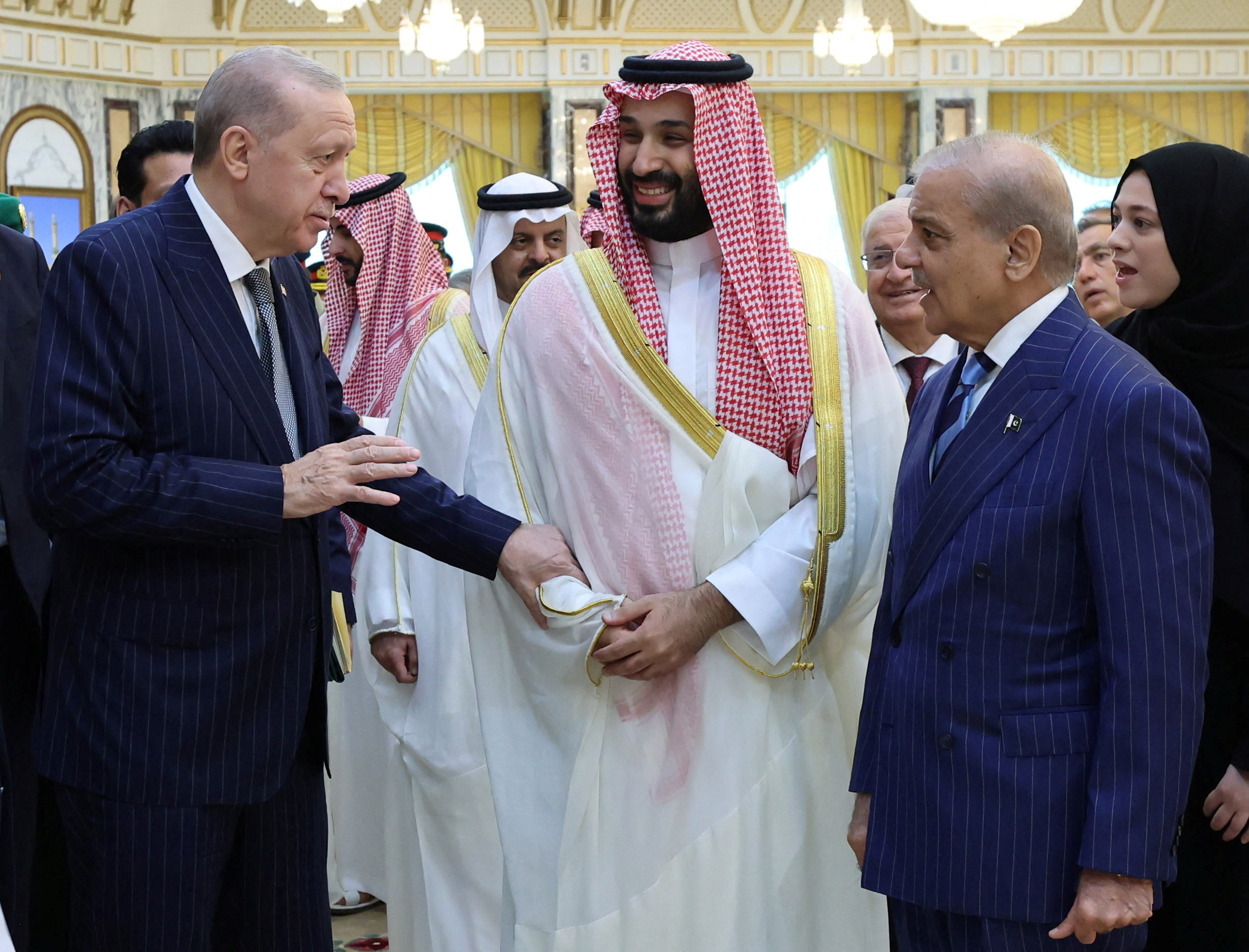
The Mecca Agreement, signed on August 7 by Saudi Arabia, Turkey and Pakistan, matters less for the alliance it creates than for the Middle East it may foreshadow.

Turkish Foreign Minister Hakan Fidan described it as technically equivalent to Nato’s Article 5: an armed attack against one would be considered an attack against all. The caveat, of course, is that even Nato’s Article 5 does not prescribe an automatic military response. Each member is obliged to assist, but retains the right to determine what “action it deems necessary”.

Moreover, Mecca is not Nato. The agreement has yet to be made public. We do not yet know what precisely would trigger its commitments in a crisis; how its command arrangements would work; or how far each member would actually be prepared to go in defence of another. Defence commitments announced on paper acquire strategic meaning only when tested.

The region has seen ambitious security arrangements before — from the Baghdad Pact and CENTO to the Saudi-led Islamic military coalition launched in 2015. Their record should encourage caution.

Significantly, within days of the agreement, the Houthis attacked Saudi Arabia’s Jazan refinery. No collective military response from the new partners followed.

Yet dismissing Mecca for these reasons would be equally mistaken.

The Middle East is reorganising itself.

For decades, its security architecture rested overwhelmingly on American power. That order is not disappearing. President Trump has publicly welcomed Mecca. But regional states are increasingly unwilling to entrust their security exclusively to the US.

Washington, too, may see advantages in greater regional burden-sharing. If capable partners assume more responsibility for their own security, this could reduce demands on American power at a time when Washington’s overriding long-term strategic challenge lies increasingly in the Indo-Pacific and China.

What may be emerging is neither a post-American nor necessarily an anti-American Middle East, but a more regionally managed system beneath a broader American strategic umbrella.

Saudi Arabia brings financial power and religious and political weight. Pakistan brings one of the Muslim world’s largest militaries — and, inevitably in the background, nuclear weapons. Turkey brings Nato experience, Nato’s second-largest military, a rapidly expanding defence industry and ambitions extending well beyond its immediate borders and neighbourhood.

Together they constitute a potentially formidable combination.

Mecca should not be understood simply as an anti-Iranian alliance. Iran is plainly part of the strategic environment that produced it. So are doubts about US security arrangements and the upheavals that have reshaped the region. The agreement also reflects regional powers seeking greater strategic autonomy in an uncertain international system.

Ankara inhabits several geopolitical worlds simultaneously. Turkey increasingly behaves as an à la carte member of Nato — drawing on the benefits of the Alliance while diverging from its partners when it sees fit. It engages Washington while maintaining close economic and political ties with Moscow and declining to join Western sanctions against Russia and Iran. It cultivates relations with Tehran while deepening ties with the Gulf and Pakistan. Its relationship with Hamas — which Turkey does not designate as a terrorist organisation — has repeatedly put Ankara at odds with the US, EU and Israel. At the same time, it has expanded its military footprint abroad and transformed its defence industry into a powerful instrument of foreign policy.

Mecca extends Ankara’s strategic reach.

This does not mean Turkey has changed camps. The more interesting point is that it increasingly refuses to accept that it must choose one. How long that balancing act can be sustained remains to be seen.

Nor are Mecca’s partners natural allies on every issue. Saudi Arabia and Turkey have competed for regional and religious influence, even as relations have improved. Pakistan brings its own priorities, particularly its rivalry with India. Mecca brings together converging interests; it does not erase divergent ones.

Turkey already envisages expansion. Egypt has been mentioned as a possible future member. But Cairo illustrates the limits. It cooperates closely with Saudi Arabia and has improved relations with Turkey. Yet it also has important ties with India, Greece and Cyprus, while Europe remains economically indispensable.  Egypt also has a long-standing peace treaty with Israel that has weathered numerous challenges. Joining the Mecca Agreement could create as many problems as it solves.

What we are witnessing is a world of multiple alignments taking shape.

This is why the emerging order is unlikely to divide neatly into opposing blocs. States will cooperate in one theatre and compete in another. Today’s partner may be tomorrow’s counterweight — and occasionally both at the same time.

Israel faces the same complexity. A stronger Sunni security structure could help contain Iran. Yet a more powerful Turkey may complicate its regional calculations. Mecca can strengthen one element of Israel’s security environment while unsettling another.

And this brings us to the Eastern Mediterranean.

It would be a mistake to regard Mecca as a distant development with little relevance to Cyprus and Greece.

Turkey does not compartmentalise its power so neatly.

Its revisionist maritime agenda in the Aegean and Eastern Mediterranean cannot be divorced from its growing regional weight. The Blue Homeland doctrine, the maritime agreement with Libya, objections to regional energy projects, maritime spatial claims and Turkey’s latest declaration of marine parks in the Aegean and Eastern Mediterranean form part of a broader contest over jurisdiction, connectivity and ultimately influence.

None of this means Mecca is directed against Cyprus or Greece.

But power accumulated in one arena increases leverage in others.

The Eastern Mediterranean is itself being transformed. Energy, electricity interconnectors, maritime routes, military access, ports and digital infrastructure increasingly intersect with sovereignty, security and geopolitical influence. The Great Sea Interconnector (GSI) is not merely an electricity cable. By connecting Cyprus to Greece and, eventually, Israel — and through them to the wider European system — it is also a geopolitical project.

Connectivity is becoming strategy.

Cyprus is not without strategic assets: EU membership; a geography at the intersection of Europe, the Middle East, the Eastern Mediterranean and the maritime approaches to the Suez Canal; excellent relations across the region; growing ties with the US, France, Israel, Egypt and India; links with Gulf states; its position as a major shipping centre; humanitarian and evacuation capabilities; ports and airfields; and its potential role in energy and digital connectivity. One day, we should hope, that network will include a very different relationship with Turkey.

Used intelligently, these assets can turn strategic relevance into strategic utility.

But Nicosia should harbour no illusions.

Good bilateral relations are not themselves a security architecture. Nor should Cyprus assume that its partners will come to its defence in a crisis, let alone fight a war on its behalf. The emerging Middle East will be transactional as well as strategic.

Cyprus therefore needs to think several moves ahead.

It should deepen its European security identity while widening its regional partnerships. It should seek Major Non-Nato Ally status with the US, further anchoring Cyprus in the evolving Western security architecture. It should accelerate projects that physically anchor it more firmly to Europe and neighbouring partners. And it should build on what it already does well, turning geography into greater strategic advantage through humanitarian operations, maritime security, logistics, energy, technology and regional dialogue.

Above all, Cyprus must remain an actor in the strategies unfolding around it, not merely the geographical space upon which other powers pursue theirs.

The Mecca Agreement may flourish. It may disappoint. It may expand. Much remains unknown.

But that is almost beside the point.

Something larger is happening around us. Regional powers are organising, hedging and repositioning themselves as the international system becomes more fragmented and transactional. Turkey understands this and is moving rapidly to position itself accordingly.

Cyprus must do the same — according to its own capabilities, interests and principles.

Geography gave Cyprus strategic importance.

Strategy must turn geography into strategic agency.


Continue Reading
Advertisement
ΕΠΙΚΑΙΡΟΤΗΤΑ12 hours ago

Αβέρωφ Νεοφύτου: «Ο προδομένος ποτέ δεν προδίδει, αλλά δεν θα ξαναπροδοθεί»

Άρθρα Χάρη Θεραπή1 day ago

Η τέλεια καταιγίδα της Πινδάρου: Ο Αβέρωφ αποφάσισε, οι «πιστοί» του 2023 τι κάνουν;

ΕΠΙΚΑΙΡΟΤΗΤΑ4 days ago

Χρίστος Κληρίδης: Γιατί να παραμένουμε στη ΔΔΟ όταν η Τουρκία την έχει απορρίψει;

ΕΠΙΚΑΙΡΟΤΗΤΑ4 days ago

«Αδούλωτη Κερύνεια»: Δεν ξεχνούμε, δεν συμβιβαζόμαστε – Η επιστροφή δεν είναι διαπραγματεύσιμη

Άρθρα Χάρη Θεραπή7 days ago

Πρέπει πρώτα να κερδίσει τον ΔΗΣΥ για να διεκδικήσει την Κύπρο;

Άρθρα Χάρη Θεραπή7 days ago

Μαυρογιάννης 2028: Η υποψηφιότητα πριν από το χρίσμα;

Off the Record7 days ago

Το σενάριο ισραηλινού χειρουργικού πλήγματος στα κατεχόμενα και ο κίνδυνος τουρκικών αντιποίνων

Off the Record7 days ago

Συνταξιοδοτική μεταρρύθμιση του τύπου “η πίτα μισή και ο σκύλος χορτάτος”

Off the Record2 weeks ago

Παγκόσμια διακυβέρνηση: γιατί αφορά και τους μικρούς

Off the Record2 weeks ago

Κύπρος – Ελλάδα – Αίγυπτος: Η δύναμη της συνεργασίας σε μια κρίσιμη περιοχή

Viral

(c) 2017-26 | Vouli.TV. All Rights Reserved. Developed by UnitrustMedia