

ΠΟΛΙΤΙΚΗ
Iran: regime change is a slogan, not a plan

The day after Iran: power, strategy and the unanswered question
Once again, the debate over Iran is framed as a stark choice between strength and weakness, action and inaction. Between good and evil. This is a false binary. The real question is not whether the US can use military force against Iran, but what problem such force is meant to solve, at what cost, and – more importantly – what unintended consequences may follow, regionally and globally.
Military power is a tool. It is not a strategy. When force becomes a substitute for political clarity of purpose, it creates the illusion of decisiveness while storing up strategic failure. The first question, therefore, must be simple and explicit: what is the objective? Ending Iran’s nuclear ambitions? Restoring credible deterrence? Constraining ballistic missiles? Changing regional behaviour? Ending support for non-state actors? Regime change? Or all of the above? History is unambiguous. Wars launched without a clearly defined end state rarely end on favourable terms.
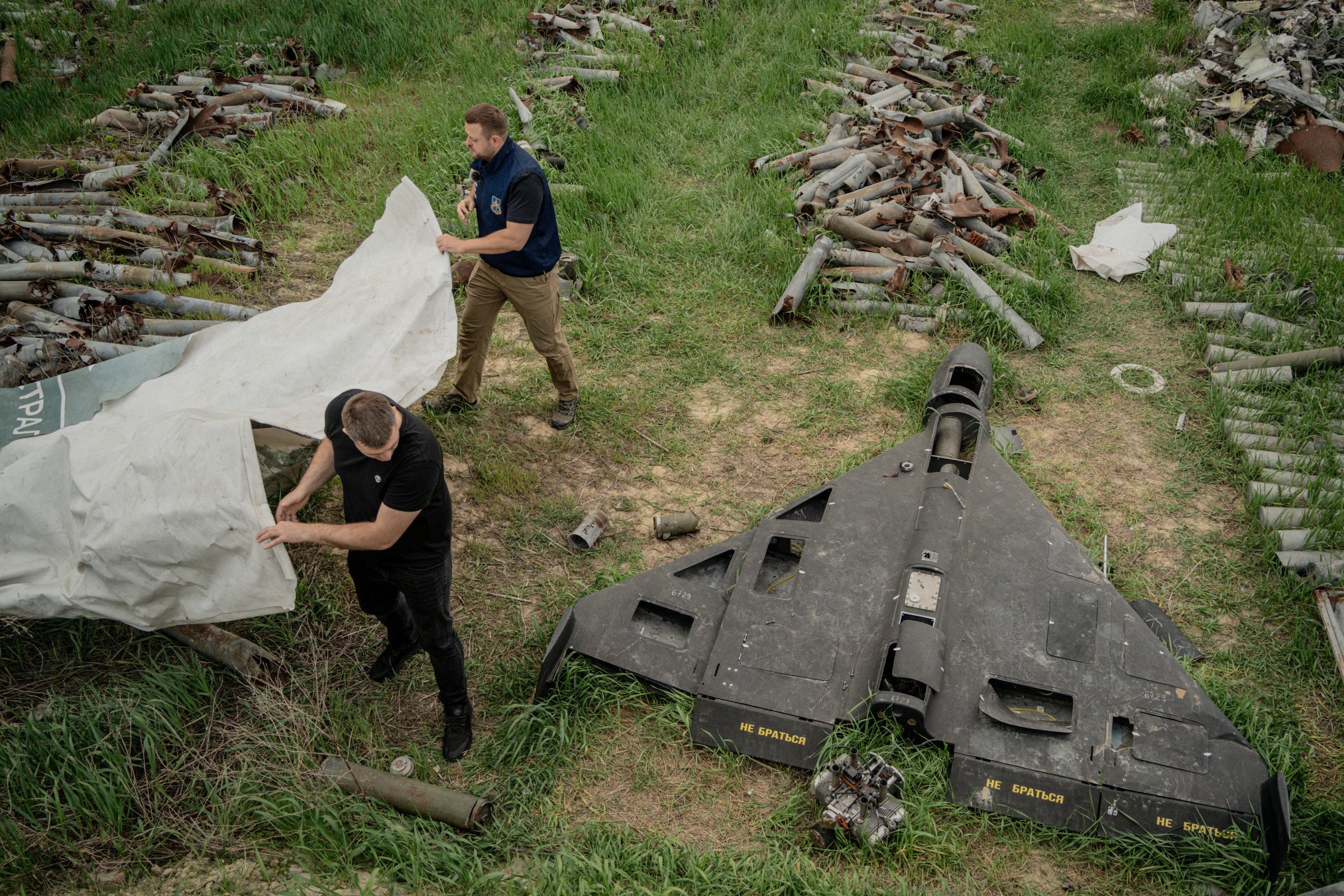
The current crisis is marked by intense signalling rather than open conflict. A substantial US military deployment is accompanied by public warnings and parallel references to a possible deal with Tehran. Against this backdrop, Iran has engaged in indirect talks while insisting that any engagement be conducted on what it calls equal terms – confined to a narrow nuclear agenda rather than the broader security concerns raised by Washington. At the same time, Tehran continues military exercises and warnings of retaliation and wider escalation. Recent incidents, including the US shooting down of an Iranian drone approaching a carrier group, underscore how tightly military signalling and escalation are now intertwined.
Coercive diplomacy
Washington is engaging in classic coercive diplomacy: pressure designed to compel concessions without crossing the threshold into war. It is not stable, but neither is it accidental. As Sun Tzu observed, “the supreme art of war is to subdue the enemy without fighting.” The danger, however, lies not in signalling itself, but in miscalculation, i.e., misreading intent, overestimating control of events, or underestimating escalation.
This posture is consistent with the US National Security Strategy (NSS) issued by President Trump in November 2025. Hard lessons have been drawn from Vietnam, Iraq and Afghanistan. The NSS moves away from regime change as a declared objective, prioritising national interest, stability and restraint over externally imposed political transformation.
Endless wars, large-scale occupations and open-ended nation-building are no longer viewed as viable instruments of US statecraft – as the recent US surgical military intervention in Venezuela has illustrated. Instead, emphasis has shifted toward sanctions, diplomatic isolation, hybrid tools and economic pressure – all backed by credible military deterrence. Force is not removed from the table, but it is no longer presumed to be the default answer. Any intervention must demonstrate a clear strategic objective, proportional means and a credible political end state.
All politics are local
Foreign policy does not operate in a vacuum. As the late US Speaker Tip O’Neill famously observed, all politics is local. This truism remains valid even in moments of international crisis. With midterm elections approaching, domestic considerations shape decision-making in Washington. Voters are weary of distant wars with unclear purpose. Markets react sharply to instability. Energy prices, investor confidence, and economic sentiment matter. Strength plays well in domestic politics. Open-ended wars do not. This helps explain the tension between rhetoric and restraint that characterises the present moment.
The regional paradox
As I have argued elsewhere the confrontation involving Iran, Israel and the US is not episodic but systemic. It is part of a deeper strategic recomposition of the Middle East – including the Gulf – in which old diplomatic frameworks are eroding and deterrence increasingly substitutes for diplomacy.
Regional actors face a dilemma rarely acknowledged in public debate. Many want Iran contained, deterred and constrained. Some advocate outright regime change. But few want Iran shattered. Saudi Arabia’s recalibration reflects this tension. Public calls for restraint coexist with private warnings that inaction could embolden Tehran. Israel’s posture is similarly layered. Its core objectives remain unchanged, but current restraint reflects tactical judgement rather than strategic retreat. Timing and risk matter.
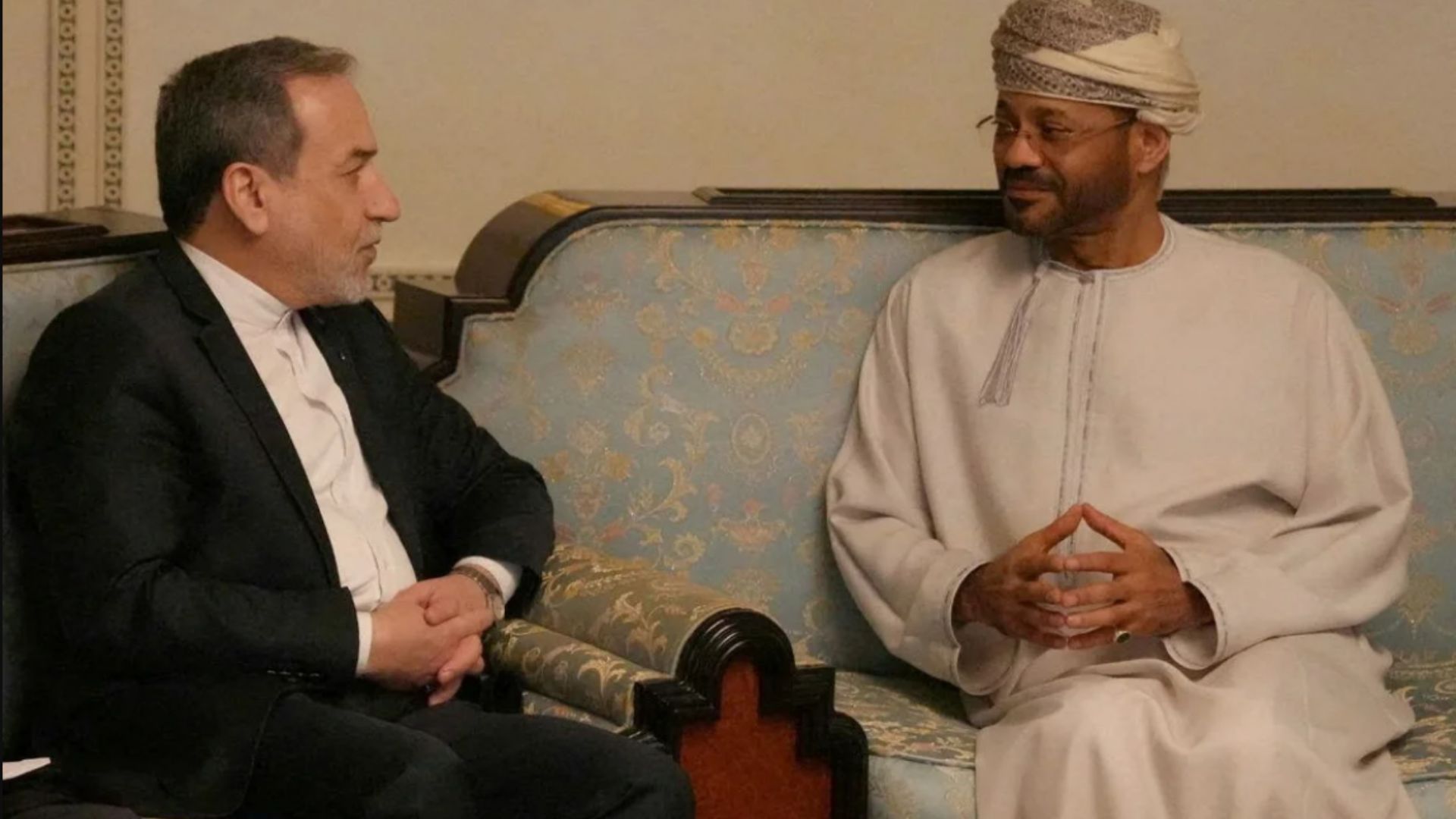
At the same time, regional diplomacy is also in motion. Oman hosted a first round of indirect US-Iran talks on February 6 – a shift from Istanbul that Tehran insisted upon, following earlier facilitation efforts by Turkey, Qatar, Egypt, Saudi Arabia and others. Washington and Tehran signalled a willingness to continue engagement.
The fact that indirect talks have taken place does not mean that Washington has accepted a nuclear-only frame. On the contrary, the core divergence over ballistic missiles, regional behaviour and support for non-state actors remains unresolved – a point the US underlined by announcing fresh oil and petrochemical sanctions within hours of the talks’ conclusion. What this underscores is that even at moments of acute tension, diplomatic channels remain active. Deterrence and dialogue now operate in parallel, often uneasily.
The paradox is simple. A triumphant Iran is dangerous. A chaotic Iran may be worse. Fragmentation, proxy escalation and uncontrollable retaliation would place the region on permanent edge. Stability and predictability – not victory – remain the unspoken regional demand.
The EU’s quiet alarm
The EU watches the crisis with particular unease – and Cyprus feels it immediately. Any major conflict involving Iran would produce direct consequences: energy, trade and financial disruptions, migration flows and renewed instability across the Mediterranean and the Levant, affecting economic stability, security planning and regional credibility in real time. At a time when the EU is already stretched by the war in Ukraine, the demands of defence rearmament, and an increasingly unpredictable US decision-making environment, a Middle East war would not be a distant theatre. It would be felt quickly and directly.
This explains Europe’s emphasis on de-escalation and diplomacy. It is not naïveté. It is vulnerability. It is strategic prudence.
Russia, China and nuclear proliferation
The growing coordination between Iran, Russia and China adds another layer of complexity. Joint military exercises scheduled among Iran, Russia and China, together with political signalling, do not amount to a formal alliance. Moscow and Beijing are unlikely to fight for Tehran, but they benefit from Western distraction and strategic overload.
Escalation hardens blocs, narrows diplomatic space, and accelerates the fragmentation of an already strained international order. A wider conflict would therefore serve interests well beyond the region – and not those of stability. One likely global consequence, particularly if a US strike on Iran coincides with the protracted war in Ukraine, is the erosion – if not collapse – of the remaining institutional constraints on nuclear proliferation. The expiration on February 5, 2026 of the New START (Strategic Arms Reduction Treaty) between the US and Russia, leaving the two largest nuclear arsenals without binding limits, underscores how fragile those constraints have become.
The deterrence lesson drawn by many actors is stark. Iran was struck during the 12-day war last June precisely because it did not yet possess nuclear weapons; nuclear-armed states such as North Korea are not. For Iran, and for other astute observers, this reinforces a dangerous but rational conclusion: that nuclear capability, not compliance, is the ultimate guarantor against intervention. That lesson, once absorbed, does not remain confined to one case. It spreads – and with it, the logic of proliferation.
The unanswered question: the day after
The most conspicuously unanswered question is the day after an attack on Iran. What follows a strike? What replaces the current order if it collapses? Regime change is a slogan, not a plan. Nuclear knowledge cannot be bombed away. Proxy networks do not disappear with command centres. Fragmentation creates vacuums that history shows are quickly filled, rarely benignly.
The danger, therefore, is not simply escalation, but consequence without ownership. When the political end state is undefined, force risks becoming an act of demonstration rather than an instrument of strategy. In diplomacy, there is rarely a final full stop. Only pauses, recalibrations, and the continuing necessity to shape an agreement both sides can own – the only kind capable of outlasting escalation.

ΠΟΛΙΤΙΚΗ
Αναβαθμίζονται η ναυτική βάση Ευάγγελος Φλωράκης και τη αεροπορική βάση Ανδρέας Παπανδρέου ανεξάρτητα από την εξωτερική χρηματοδότηση
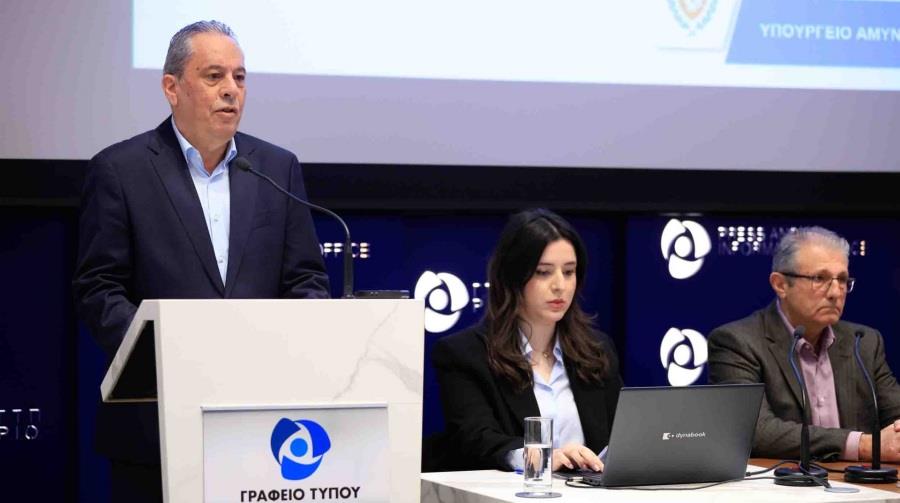
Την ενίσχυση της αποτρεπτικής ισχύος της Κυπριακής Δημοκρατίας, την προσαρμογή στα νέα δεδομένα ασφάλειας που διαμορφώνονται από τις συγκρούσεις στη Μέση Ανατολή και την Ανατολική Μεσόγειο, την προώθηση κρίσιμων υποδομών και την αξιοποίηση ευρωπαϊκών εργαλείων όπως το πρόγραμμα SAFE, έθεσε ως βασικές προτεραιότητες του Υπουργείου Άμυνας ο Υπουργός Άμυνας Βασίλης Πάλμας, παρουσιάζοντας σε Διάσκεψη Τύπου, τον ετήσιο απολογισμό του έργου του Υπουργείου.
Ιδιαίτερη έμφαση έδωσε ο κ. Πάλμας τόσο στις αναβαθμίσεις της Ναυτικής Βάσης «Ευάγγελος Φλωράκης» στο Μαρί και της Αεροπορικής Βάσης «Ανδρέας Παπανδρέου» στην Πάφο, οι οποίες θα υλοποιηθούν ανεξαρτήτως εξωτερικής χρηματοδότησης καθώς αποτελούν κρίσιμες υποδομές για τον ρόλο της χώρας στην περιοχή. Τόνισε πως οι βάσεις αυτές τελούν υπό τον αποκλειστικό έλεγχο και ιδιοκτησία της Κυπριακής Δημοκρατίας.
Ο Υπουργός αναφέρθηκε και στο πόρισμα για την απώλεια 13,6 κιλών εκρηκτικής ύλης από πεδίο βολής, κάνοντας λόγο για «κακή στιγμή» για το Υπουργείο και την Εθνική Φρουρά, επιβεβαιώνοντας ότι έχουν εντοπιστεί ευθύνες, οι οποίες θα αποδοθούν, ενώ οι αστυνομικές έρευνες συνεχίζονται χωρίς να μπορεί να αποκλειστεί οποιοδήποτε ενδεχόμενο.
Ο κ. Πάλμας τοποθέτησε τον απολογισμό του Υπουργείου στο ευρύτερο γεωπολιτικό πλαίσιο, σημειώνοντας ότι το 2025 αποτέλεσε έτος σημαντικών μετασχηματισμών, με κλιμάκωση συγκρούσεων, ενίσχυση στρατηγικών συμμαχιών και αναδιαμόρφωση του διεθνούς συστήματος ασφάλειας. Όπως ανέφερε, «η παρατεταμένη τουρκική κατοχή στην Κύπρο και οι γεωπολιτικές ανακατατάξεις στην Ανατολική Μεσόγειο και στη Μέση Ανατολή έχουν φέρει την Κυπριακή Δημοκρατία αντιμέτωπη με νέες προκλήσεις».
Σύμφωνα με τον κ. Πάλμα, οι στρατηγικές επιδιώξεις του Υπουργείου εδράζονται σε τρεις βασικούς πυλώνες: την ενίσχυση της αποτρεπτικής ισχύος και της ασφάλειας, την προώθηση καθαρών περιβαλλοντικών πρακτικών και τον ψηφιακό μετασχηματισμό. «Σε αυτό το πλαίσιο έχουμε θέσει σαφείς στόχους πλήρως ευθυγραμμισμένους με τις προτεραιότητες του προγράμματος διακυβέρνησης του Προέδρου της Δημοκρατίας, με σκοπό την ουσιαστική ενίσχυση της αποτρεπτικής ικανότητας και αμυντικής θωράκισης της χώρας», είπε.
Αναφερόμενος στα πεπραγμένα, σημείωσε ότι κατά το τρίτο έτος διακυβέρνησης επιτεύχθηκαν σημαντικοί στόχοι, ιδιαίτερα στον τομέα των εξοπλισμών. Μεταξύ άλλων, αυξήθηκαν τα αποθέματα πυρομαχικών, ενισχύθηκαν οι δυνατότητες των χερσαίων και ειδικών δυνάμεων, αναβαθμίστηκαν οι δυνατότητες επιτήρησης και αναγνώρισης, ενώ εκσυγχρονίστηκε και ψηφιοποιήθηκε το σύστημα διοίκησης και ελέγχου των ναυτικών επιχειρήσεων.
Ιδιαίτερη αναφορά έγινε και στη διαχείριση των οικονομικών πόρων, με τον Υπουργό να επισημαίνει ότι το ποσοστό απορρόφησης του προϋπολογισμού για την αμυντική θωράκιση έφτασε το 95%, γεγονός που, όπως ανέφερε, καταδεικνύει την αποτελεσματικότητα στη διαχείριση.
Σε ό,τι αφορά τις υποδομές, και λαμβάνοντας υπόψη το συνεχώς μεταβαλλόμενο γεωπολιτικό περιβάλλον στην περιοχή μας καθώς και τη διακηρυγμένη και ακολουθούμενη αμυντική πολιτική που αφορά στην παροχή διευκολύνσεως σε φίλες χώρες στο πλαίσιο διμερών συνεργασιών και δεσμεύσεων από τη συμμετοχή μας σε ευρωπαϊκά προγράμματα, ο κ. Πάλμας είπε πως «αποφασίστηκε η αναβάθμιση της ναυτικής βάσης Ευάγγελος Φλωράκης στο Μαρί και της αεροπορικής βάσης Ανδρέας Παπανδρέου στην Πάφο».
Στο πεδίο της αμυντικής διπλωματίας, ο κ. Πάλμας χαρακτήρισε τη συνεργασία με την Ελλάδα ως ιδιαίτερα υψηλού επιπέδου, αναφέροντας ενδεικτικά την αποστολή δύο φρεγατών και τεσσάρων μαχητικών αεροσκαφών F16 για ενίσχυση της άμυνας της Κυπριακής Δημοκρατίας. Παράλληλα, έκανε λόγο για ενίσχυση συνεργασιών με χώρες όπως το Ισραήλ, η Αίγυπτος, η Ιορδανία και η Αρμενία, καθώς και για προώθηση νέων συνεργασιών με Σερβία, Ηνωμένα Αραβικά Εμιράτα και Ινδία.
Σημαντική χαρακτήρισε και την αναβάθμιση της συνεργασίας με τις Ηνωμένες Πολιτείες, μέσω του προγράμματος State Partnership Programme, στο πλαίσιο του οποίου, όπως είπε, «έχουν δρομολογηθεί κοινές ασκήσεις και εκπαιδεύσεις σε ετήσια βάση και έχει θεσμοθετηθεί ετήσιος διάλογος σε θέματα άμυνας και ασφάλειας σε επίπεδο Υπουργείων Άμυνας. Στο πλαίσιο της αναβάθμισης της συνεργασίας μεταξύ των χωρών μας δρομολογούνται οι διαδικασίες για την τοποθέτηση εκπροσώπου του Υπουργείου μας στην πολιτεία του New Jersey το 2026», πρόσθεσε.
Σε ευρωπαϊκό επίπεδο, ο Βασίλης Πάλμας υπογράμμισε τη συμμετοχή της Κυπριακής Δημοκρατίας σε αποστολές και δράσεις της Ευρωπαϊκής Ένωσης, όπως στη στρατιωτική αποστολή στην Ερυθρά Θάλασσα και στην εκπαίδευση προσωπικού ουκρανικών δυνάμεων, καθώς και σε αποστολές των Ηνωμένων Εθνών, όπως η UNIFIL στον Λίβανο.
Ιδιαίτερη έμφαση έδωσε στο πρόγραμμα SAFE της Ευρωπαϊκής Ένωσης, σημειώνοντας ότι το εγκριθέν ποσό δανειοδότησης ύψους 1,118 δισ. ευρώ θα αξιοποιηθεί για την κάλυψη κρίσιμων αμυντικών αναγκών. «Το χρηματοδοτικό εργαλείο SAFE της Ευρωπαϊκής Ένωσης προσφέρει μια σημαντική ευκαιρία για την κάλυψη των διαπιστωμένων αμυντικών αναγκών μας σε μία κρίσιμη περίοδο για την πατρίδα μας και την ευρύτερη περιοχή της Ανατολικής Μεσογείου και της Μέσης Ανατολής», είπε και πρόσθεσε πως «το Υπουργείο βρίσκεται σε τροχιά υλοποίησης του επενδυτικού σχεδίου, το οποίο θα ολοκληρωθεί μέχρι το τέλος του 2030».
Στον τομέα της εγχώριας αμυντικής βιομηχανίας, ανέφερε ότι προωθείται η ανάπτυξη κρίσιμων τεχνολογιών και η ενίσχυση της συμμετοχής κυπριακών εταιρειών σε εξοπλιστικά προγράμματα, ενώ βρίσκεται σε εξέλιξη η εκπόνηση εθνικής στρατηγικής με ευρωπαϊκή στήριξη.
Αναφερόμενος στην έρευνα και καινοτομία, ο Υπουργός σημείωσε ότι έχουν υλοποιηθεί έργα μέσω του προγράμματος «Αθηνά», ενώ βρίσκονται σε εξέλιξη νέα έργα με χρηματοδότηση από το Ταμείο Ανάκαμψης και Ανθεκτικότητας. «Έχει επίσης στηριχθεί οικονομικά και διοικητικά η συμμετοχή κυπριακών οντοτήτων σε 35 έργα έρευνας και ανάπτυξης του ευρωπαϊκού προγράμματος βιομηχανικής ανάπτυξης στην άμυνα και του Ευρωπαϊκού Ταμείου Άμυνας», είπε.
Στον τομέα της έρευνας και διάσωσης, ανέφερε ότι πραγματοποιήθηκαν 78 επιχειρήσεις το 2025 με διάσωση 198 ατόμων, ενώ το Συντονιστικό Κέντρο «Ζήνων» παραμένει σε ετοιμότητα για διαχείριση κρίσεων. «Κατά το 2025 ενεργοποιήθηκε για υποστήριξη ανθρωπιστικής επιχείρησης εκκένωση αμάχων από το Ισραήλ, σε συνέχεια εφαρμογή του σχεδίου Εστία», πρόσθεσε.
Σε ό,τι αφορά την κυβερνοασφάλεια, σημείωσε ότι ολοκληρώθηκαν έλεγχοι ευπάθειας και εκτιμήσεις κινδύνου, στο πλαίσιο ενίσχυσης της προστασίας πληροφοριών.
Ιδιαίτερη αναφορά έγινε στον θεσμό των Συμβασιούχων Οπλιτών, με τον Υπουργό να σημειώνει ότι προωθήθηκαν σημαντικές μεταρρυθμίσεις, όπως η αύξηση των απολαβών και επιδομάτων, η παράταση της υπηρεσίας μέχρι το 57ο έτος και η δυνατότητα εξέλιξης σε υπαξιωματικούς μέχρι το βαθμό του αρχιλοχία με αξιοκρατικές διαδικασίες.
Επιπλέον, αυξήθηκε το ειδικό μηνιαίο επίδομα από 100 σε 150€ και από 200 σε 250 για όσους εκτελούν συγκεκριμένα καθήκοντα.
Στον τομέα του Πολιτικού Σχεδιασμού Εκτάκτων Αναγκών, προωθήθηκε ο εκσυγχρονισμός του νομοθετικού πλαισίου και η ένταξη νέων υπηρεσιών, με στόχο την ενίσχυση της κρατικής ανθεκτικότητας.
Αναφερόμενος στην περιβαλλοντική πολιτική, ο Υπουργός σημείωσε ότι υλοποιούνται δράσεις για εξοικονόμηση ενέργειας και μείωση εκπομπών, περιλαμβανομένης της εγκατάστασης φωτοβολταϊκών συστημάτων σε στρατόπεδα, με χρηματοδότηση 19 εκατ. ευρώ.
Στον τομέα της ψηφιακής διακυβέρνησης, προωθήθηκαν νέες ηλεκτρονικές υπηρεσίες για στρατεύσιμους και ΣΥΟΠ, ενώ βρίσκονται σε ανάπτυξη επιπρόσθετες εφαρμογές.
Σε σχέση με τις εμβληματικές δράσεις, ο κ. Πάλμας αναφέρθηκε στην προώθηση των έργων επέκτασης της ναυτικής βάσης στο Μαρί και αναβάθμισης της αεροπορικής βάσης στην Πάφο, με ορίζοντα έναρξης κατασκευαστικών εργασιών το 2027, καθώς και στην ενίσχυση της εφεδρείας μέσω προμήθειας εξοπλισμού.
Στο πλαίσιο της Προεδρίας του Συμβουλίου της Ευρωπαϊκής Ένωσης από την Κυπριακή Δημοκρατία, ο κ. Πάλμας είπε πως έχουν θέσει ως στόχο τη συμβολή της Κύπρου σε μια Ευρώπη πιο ασφαλή και πιο ικανή να ανταποκρίνεται στις σύγχρονες προκλήσεις. «Σε αυτό το πλαίσιο έχουμε 4 βασικούς πυλώνες προσανατολισμού: Στήριξη στην Ουκρανία με αταλάντευτη αλληλεγγύη και σεβασμό στη διεθνή τάξη και τις θεμελιώδεις αξίες της Ένωσης, ενίσχυση της αμυντικής βιομηχανίας μέσω του ευρωπαϊκού προγράμματος αμυντικής βιομηχανίας, επένδυση στη θαλάσσια ασφάλεια με έμφαση στην προστασία κρίσιμων θαλάσσιων υποδομών και βασικών θαλάσσιων οδών απέναντι σε υβριδικές κυβερνοεπιθέσεις και φυσικές απειλές και ασφάλεια και υποστήριξη ανθρωπιστικών επιχειρήσεων καθώς και επιχειρήσεων εκκένωσης άμαχου πληθυσμού», είπε.
Καταληκτικά, ο Υπουργός Άμυνας διαβεβαίωσε ότι η Κυβέρνηση θα συνεχίσει με κάθε υπευθυνότητα και αποφασιστικότητα την κοινή προσπάθεια «με στόχο τη διασφάλιση της εδαφικής ακεραιότητας και των κυριαρχικών δικαιωμάτων της Κυπριακής Δημοκρατίας μέσω της αναβάθμισης των δυνατοτήτων της ΕΦ για ενίσχυση της αποτρεπτικής μας ικανότητας».
Απαντώντας σε ερώτηση για τις σύγχρονες μορφές πολέμου, υπογράμμισε ότι η Κυπριακή Δημοκρατία προσαρμόζει τα εξοπλιστικά της προγράμματα στα νέα δεδομένα, επισημαίνοντας τον αυξανόμενο ρόλο των μη επανδρωμένων συστημάτων (drone) τόσο στις συγκρούσεις στη Μέση Ανατολή όσο και στον πόλεμο στην Ουκρανία.
«Κακή στιγμή» η απώλεια των 13,6 κιλών εκρηκτικής ύλης, θα πληρώσουν το τίμημα αυτοί που ευθύνονται
Εξάλλου, ερωτηθείς για το πόρισμα για την απώλεια των 13,6 κιλών εκρηκτικής ύλης από το πεδίο βολής του Καλού Χωριού, ο κ. Πάλμας είπε ότι «ήταν μία κακή στιγμή για το Υπουργείο Άμυνας και την Εθνική Φρουρά. Δεν μπορούμε να το αποκρύψουμε, ούτε να κάνουμε το άσπρο μαύρο γύρω από αυτή την υπόθεση».
«Έχω εκφράσει κατ’ επανάληψη την απογοήτευση μου για το συγκεκριμένο συμβάν, θεωρώ ότι δεν πρέπει να επαναληφθούν τέτοιου είδους συμβάντα, διότι αδικούμε τον ίδιο μας τον εαυτό με αυτού του είδους τις παραλείψεις», πρόσθεσε.
Ο Υπουργός σημείωσε πως έχει ολοκληρωθεί η εσωτερική έρευνα, η οποία βρίσκεται στα χέρια του, αλλά λόγω των εξελίξεων αυτή την περίοδο, η προτεραιότητα στράφηκε αλλού. «Ασφαλώς και υπάρχουν ευθύνες, δεν το αποκρύψαμε ποτέ αυτό, άλλωστε τα γεγονότα μιλούν από μόνα τους. Και εκείνοι οι οποίοι ευθύνονται δυστυχώς θα πληρώσουν το τίμημα της ευθύνης που τους αναλογεί και για αυτό αρμοδιότητα έχει το Γενικό Επιτελείο Εθνικής Φρουράς», είπε.
Την ίδια ώρα, ο Υπουργός τόνισε ότι το σκέλος που αφορά το ποινικό μέρος είναι αρμοδιότητα της αστυνομίας και δεν πέφτει κανένας λόγος στην Εθνική Φρουρά. «Οι έρευνες από πλευράς αστυνομίας συνεχίζονται και ευχόμαστε και ελπίζουμε ότι θα βρεθεί φως στην άκρη του τούνελ για το πού βρίσκονται αυτά τα 13,6 κιλά εκρηκτική ύλης», είπε και σημείωσε πως δεν μπορεί να αποκλειστεί οποιοδήποτε ενδεχόμενο σε σχέση με το αν ήταν κλοπή ή όχι.
Πηγή: ΚΥΠΕ
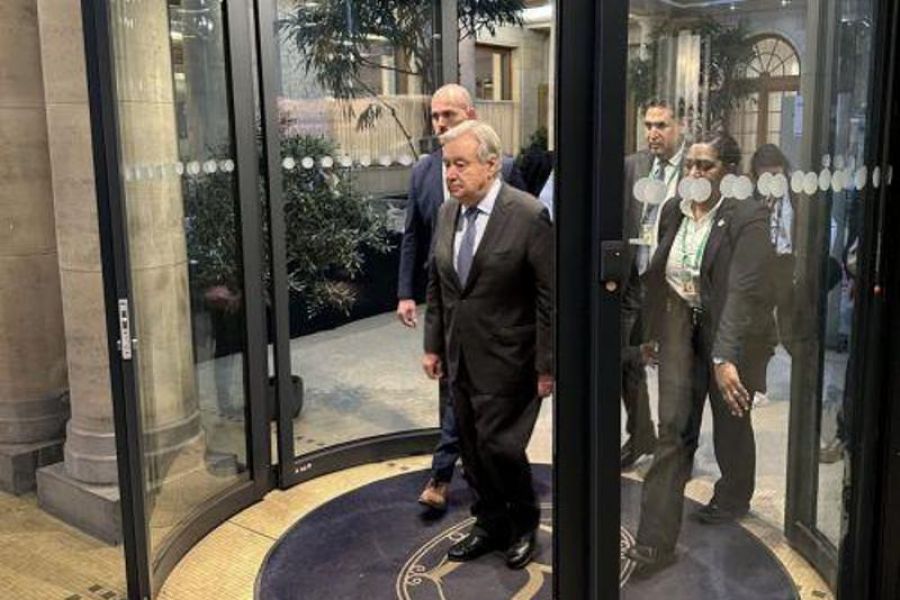
«Χαίρομαι πραγματικά γιατί έχουμε κοινό στόχο με τον Γενικό Γραμματέα και ο στόχος αφορά την ουσία του Κυπριακού»
Ο κοινός στόχος για ουσιαστική πρόοδο στο Κυπριακό πριν από τη λήξη της θητείας του ΓΓ του ΟΗΕ Αντόνιο Γκουτέρες, επιβεβαιώθηκε κατά τη συνάντηση που είχε την Τετάρτη στις Βρυξέλλες με τον κ. Γκουτέρες, δήλωσε ο Πρόεδρος της Δημοκρατίας Νίκος Χριστοδουλίδης αμέσως μετά τη συνάντηση.
Σε δηλώσεις του, ο Πρόεδρος Χριστοδουλίδης είπε πως είχε μια πολύ ουσιαστική και πολύ παραγωγική συζήτηση με τον κ. Γκουτέρες.
«Χαίρομαι πραγματικά γιατί έχουμε κοινό στόχο με τον Γενικό Γραμματέα και ο στόχος αφορά την ουσία του Κυπριακού, εκεί είναι η επικέντρωσή μας. Χαίρομαι επίσης γιατί και ο ίδιος ασπάζεται την ίδια άποψη, για την ανάγκη να υπάρξει ουσιαστική πρόοδος πριν την ολοκλήρωση της θητείας του, δηλαδή πριν το τέλος του έτους», είπε ο Πρόεδρος Χριστοδουλίδης.
Aνέφερε ακόμη πως ο κ. Γκουτέρες τον ενημέρωσε για τις συζητήσεις που είχε στην Τουρκία, κατά την πρόσφατη επίσκεψη του, καθώς και για το πώς βλέπει τα επόμενα βήματα.
Χαρακτηρίζοντας σημαντική την παρουσία του κ. Γκουτέρες στις Βρυξέλλες, όπου συναντήθηκε με την Πρόεδρο της Επιτροπής και τον Πρόεδρο του Συμβουλίου, ο Πρόεδρος Χριστοδουλίδης υπογράμμισε την άποψη που έχει και ο ΓΓ των ΗΕ ότι η Ευρωπαϊκή Ένωση μπορεί να βοηθήσει ουσιαστικά στην επίτευξη προόδου και κατ’ επέκταση στην επίλυση του Κυπριακού.
«Θα πρέπει να αναμένουμε σύντομα εξελίξεις μέσα στο πλαίσιο της συζήτησης που είχαμε με τον ΓΓ», είπε.
Ερωτηθείς για το πώς μπορεί να υπάρξει πρόοδος πριν από τη λήξη της θητείας του Γενικού Γραμματέα, από τη στιγμή που με τον Τ/κ ηγέτη Τουφάν Έρχιουρμαν δεν έχουν εισέλθει στην ουσία του Κυπριακού, ο Πρόεδρος Χριστοδουλίδης τόνισε ξανά το σημείο που συμφωνεί με τον κ. Γκουτέρες για επικέντρωση στην ουσία του Κυπριακού.
«Εκεί επικεντρώνεται η προσπάθεια να σας θυμίσω ότι ο ΓΓ έχει ήδη συναντηθεί με τον Τουρκοκύπριο ηγέτη, έρχεται από την Τουρκία, το Κυπριακό ήταν μέρος των συζητήσεων που είχε εκεί και θεωρώ απόλυτα ορθή την προσέγγισή του για την ανάγκη να επικεντρωθούμε στην ουσία του Κυπριακού», είπε.
Ερωτηθείς αν ο κ. Γκουτέρες «βλέπει» μια άτυπη διευρυμένη διάσκεψη για το Κυπριακό το αμέσως επόμενο διάστημα, ο Πρόεδρος Χριστοδουλίδης πως ο ίδιος «βλέπει» μια ξεκάθαρη επιθυμία, συγκεκριμένης προεργασίας που θα οδηγήσει σε μια άτυπη διάσκεψη, η οποία θα έχει αποτελέσματα.
Σε συμπληρωματική ερώτηση αν αυτή η άτυπη διάσκεψη μπορεί να πραγματοποιηθεί πριν από τον ερχόμενο Ιούνιο, ο Πρόεδρος ξεκαθάρισε πως δεν έχουν μιλήσει για χρονικό πλαίσιο, ενώ το «μόνο χρονικό περιθώριο το οποίο έχουμε αναφέρει και το επαναλαμβάνω, είναι η ανάγκη να αξιοποιήσουμε τον χρόνο μέχρι την ολοκλήρωση της θητείας του, κάτι που και ο ίδιος βλέπει ότι δύναται να φέρει αποτελέσματα».
Ερωτηθείς σχετικά με την Προσωπική Απεσταλμένη του ΓΓ Μαρία Άνχελα Ολγκίν, ο Πρόεδρος Χριστοδουλίδης είπε πως δεν συζήτησαν για την κ. Ολγκίν. «Ο ίδιος με ενημέρωσε για το πώς βλέπει να προχωρά η όλη προσπάθεια σε σχέση, επαναλαμβάνω, με το μεγάλο στόχο που είναι η επανέναρξη των συνομιλιών, η ουσία του Κυπριακού», είπε, και εξήγησε πως η προεργασία αφορά αυτό ακριβώς, την επανέναρξη των συνομιλιών σε επίπεδο συμμετοχής όλων των εμπλεκομένων στο Κυπριακό, δηλαδή για ένα διευρυμένο σχήμα.
Ερωτηθείς αν η προεργασία αφορά και την πρόταση των πέντε σημείων που είχε καταθέσει, απάντησε πως ο ΓΓ των ΗΕ έχει μια πολύ συγκεκριμένη προσέγγιση, την οποία συζητά.
«Μια προσέγγιση που μοιράστηκε και μαζί μας, μια προσέγγιση που είναι προς την ορθή κατεύθυνση», είπε, και σε ερώτηση ποια είναι αυτή η προσέγγιση, ξεκαθάρισε πως δεν θα προχωρήσει σε δημόσια διαπραγμάτευση του Κυπριακού.
«Αν θέλουμε να μην υπάρξει πρόοδος, μπορούμε να κάνουμε δημόσια διαπραγμάτευση. Είναι σημαντικό ότι έχουμε ένα Γενικό Γραμματέα ο οποίος είναι απόλυτα δεσμευμένος στο να υπάρξει ουσιαστική πρόοδος προς την κατεύθυνση επίλυσης του Κυπριακού πριν την ολοκλήρωση της θητείας του. Είναι κάτι που επιθυμούμε και εμείς για πάρα πολλούς λόγους», είπε και σημείωσε πως μεταξύ των λόγων αυτών είναι η προηγούμενη εμπλοκή του κ. Γκουτέρες με το Κυπριακό, η γνώση που έχει, η ευρωπαϊκή του καταγωγή, η κατανόηση για το πώς λειτουργεί η Ευρωπαϊκή Ένωση και πολλά άλλα.
ΚΥΠΕ


Αστυνομία Κύπρου: Συμμετοχή σε διάσκεψη EUROPOL για το ECAMS στη Χάγη

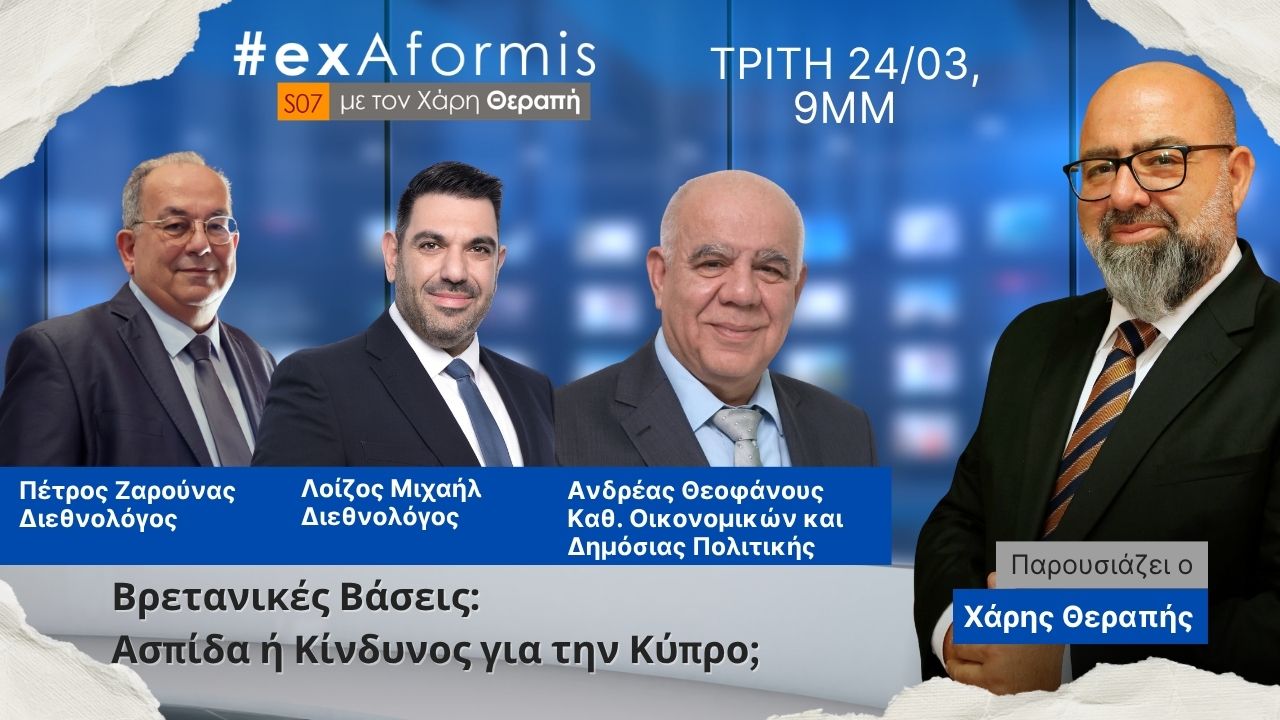
#exaformis – Βρετανικές Βάσεις: Ασπίδα ή Κίνδυνος για την Κύπρο;

ΕΚΛΟΓΕΣ 2026 ΑΜΜΟΧΩΣΤΟΣ 2026 – Η μάχη της έδρας | Τρίτη 24/03 στις 7μμ

Εθνικές επέτειοι και εμείς

Ο Πρόεδρος που συνάντησε τον πλανητάρχη στην τουαλέτα

Ο Νετανιάχου για Τραμπ: Βλέπει ευκαιρία συμφωνίας με το Ιράν

Δυσαρέσκεια για αναπομπή νόμου περί οχημάτων εκφράζουν ΠΑ.ΣΥ.Δ.Υ.-ΣΕΚ – ΕΚΥΣΥ

EKLOGES2026 – Λευκωσία 2026 – Η μάχη της έδρας | Δευτέρα 23/03 στις 7μμ

Αναβαθμίζονται η ναυτική βάση Ευάγγελος Φλωράκης και τη αεροπορική βάση Ανδρέας Παπανδρέου ανεξάρτητα από την εξωτερική χρηματοδότηση

Συναντήθηκε με τον Χριστοδουλίδη η Προεδρική Επιτροπή ΚΣΣΕ-Εξέφρασε αλληλεγγύη προς την Κύπρο

Ekloges2026 – Αποτελέσματα Διαδικτυακής Δημοσκόπησης Vouli.TV | Παρασκευή 27/02 στις 7μμ

Μακριά από ΔΗΣΥ πρώην αξιωματούχοι

EKLOGES2026 – Τα καυτά θέματα της επικαιρότητας | Παρασκευή 20/03 στις 7μμ

Χαραλαμπίδου και ΑΛΜΑ Διερευνούν Μοντέλο Εκλογικής Συνεργασίας

Θύελλα στη Βουλή για τον αφθώδη πυρετό – Κτηνοτρόφοι κατά Κτηνιατρικών Υπηρεσιών

Ekloges2026 – Κυπριακό: Διζωνική, δύο κράτη ή κάτι άλλο;, Δευτέρα 09/03 στις 7μμ

Εκδρομή αντί κάλπης και η αποχή που τρομάζει

Από τον Περσικό Κόλπο ως την Ανατολική Μεσόγειο: Η «επιβλητική αρμάδα» του Τραμπ

Εθνική Φρουρά και Αμερικανικές Δυνάμεις σε κοινές ασκήσεις και ανταλλαγή τεχνογνωσίας

Ινδία–Ισραήλ και η νέα γεωπολιτική αρχιτεκτονική: Ο ρόλος Ελλάδας και Κύπρου
-
 EKLOGES20264 weeks ago
Ekloges2026 – Αποτελέσματα Διαδικτυακής Δημοσκόπησης Vouli.TV | Παρασκευή 27/02 στις 7μμ
-
 Behind Politics1 month ago
Behind Politics | Επεισόδιο 2: Γιώργος Μαυρουδής, Σάββατο 21/02 στις 7μμ
-

 ΠΟΛΙΤΙΚΗ1 month ago
Συντάξεις για ψηφοθηρία: Κρατικό έγκλημα με χρονόμετρο
-
 Off the Record1 month ago
Ξεσηκωμός στον Μαζωτό για Μονάδα Αφαλάτωσης
-
 Off the Record1 month ago
Το Trident περιμένει ακόμη — και αυτή τη φορά περιμένει εμάς
-
 #exAformis1 month ago
#ExAformis – Η θεωρία πίσω απο την Άμεση Δημοκρατία | Σάββατο 21/02 στις 6μμ
-

 Off the Record1 month ago
Καμένη εμπιστοσύνη:το Ειρήνη-gate «έθαψε επαναθέσμιση» και προοπτική Οδυσσέα
-
 ΕΚΠΟΜΠΕΣ1 month ago
ΣΕ ΠΡΩΤΟ ΠΡΟΣΩΠΟ – Επεισόδιο 18 | 10/02 στις 7μμ
-

 Off the Record1 month ago
Οι κατασκευασμένες δημοσκοπήσεις και η ττενέκκα
-
 ΠΟΛΙΤΙΚΗ1 month ago
Φωτοβολταϊκά πάρκα: καταγγελία για άναρχη ανάπτυξη και θεσμική απραξία